
All you need to know about Invisalign
A beautiful, smile is a powerful thing. It can change your outlook, help you overcome inhibitions and give you greater confidence – in both your professional life and when you are out socialising.
With Invisalign, you can achieve this smile without using traditional fixed braces. This Fact Sheet provides information about the Invisalign System, so you can discover if a clear, convenient and comfortable teeth straightening treatment is the right course of action for you.
If you’ve ever thought about improving your smile, Invisalign could be the clear way forward.
What is Invisalign?
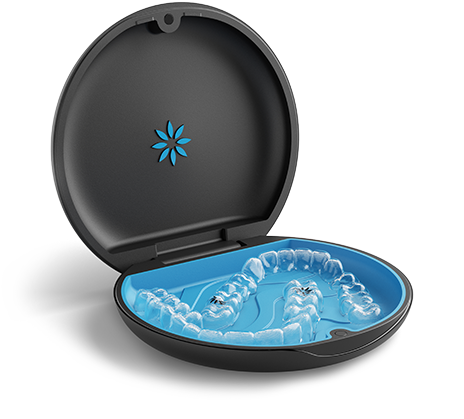
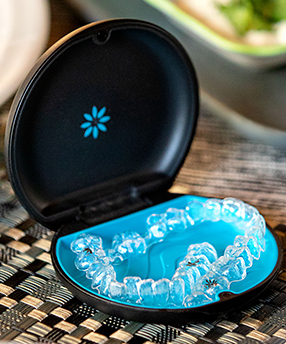
Developed by Align Technology together with leading orthodontists in 1997, Invisalign straightens your teeth using a series of custom-made clear aligners. Comfortable, clear and removable – Invisalign transforms your smile without disrupting your life. Something that over 8 million people worldwide have already discovered
Invisalign Aligners...
- Are comfortable and nearly invisible.
- Gently and continuously move your teeth in small increments.
- Are worn for approximately two weeks. Then you switch to a new set of aligners.
- Are removable so you can eat whatever you want and maintain good oral hygiene.
Treatable issues...
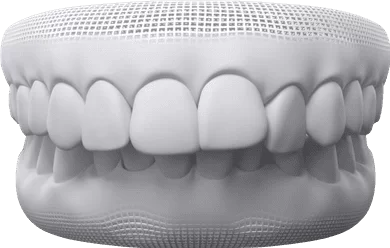
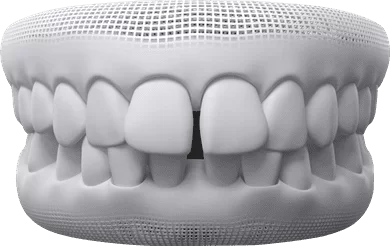
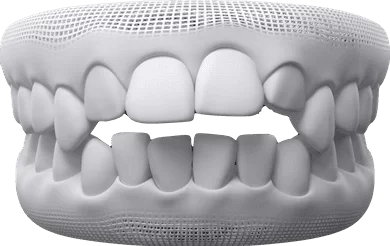
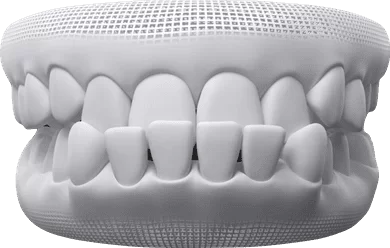
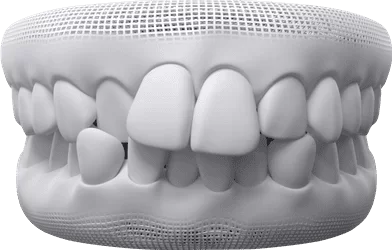
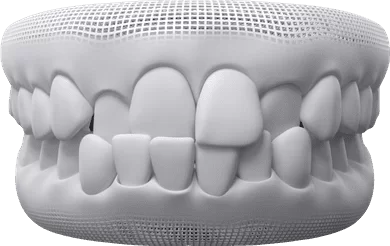
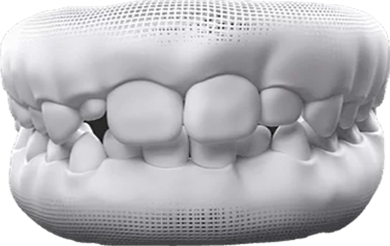
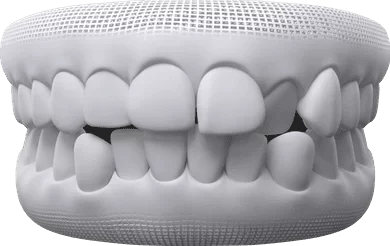
By using advanced technology, Invisalign can treat a broad range of dental and orthodontic issues that were previously treated with traditional braces – from minor tooth movements to more complex cases. These issues include:
- Overly crowded teeth.
- Widely spaced teeth.
- Cross bite.
- Deep bite.
- Under bite.
How does the
treatment work?
It takes approximately between 9 and 18 months to create a new smile using Invisalign. Getting there takes just four simple steps:
- You meet with an Invisalign Provider for a consultation about your treatment., based on your treatment plan and your dental records, a virtual 3D treatment plan is generated that shows you the expected movement of your teeth from their current position to the desired final position.
- Once you and your Invisalign Provider have approved the treatment plan, the aligners are custom-made to fit your teeth. The number of aligners varies for each person.
- You wear your aligners about 20 to 22 hours every day, except to eat, brush, and floss, or for a specific occasion.
- Every two weeks, you switch to a new set of aligners. The aligners will gradually move your teeth towards their final prescribed position.
The Benefits.
Custom-made to fit your teeth and your lifestyle, Invisalign offers many benefits beyond your brand-new smile:
- Nearly-invisible aligners mean hardly anyone will notice that you are straightening your teeth.
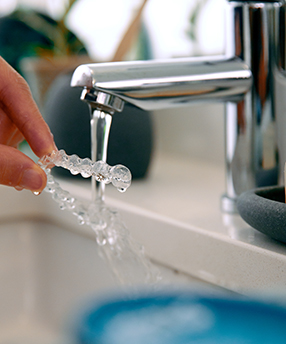
- The removable aligners allow you to maintain your dental hygiene, brushing and flossing as usual.
- You can also remove the aligners briefly to eat, drink or for special occasions.
- Even before you start treatment you'll know how long your treatment may take and what your teeth are expected to look like at the end.
How much does
Invisalign cost?
As with other types of orthodontic treatment, the cost of Invisalign is dependent on the complexity of your issue and your course of treatment. And, although only an Invisalign Provider is able to fully determine your cost, prices for Invisalign treatment vary. Find out prices here.
Invisalign can help align the following conditions
The 4 steps to your new smile
FAQs
What is Invisalign?
Invisalign is the virtually invisible way to straighten your teeth and achieve the smile you’ve always dreamed of. Using advanced 3D
computer-imaging technology, Invisalign depicts your complete treatment plan based on your Invisalign Provider’s prescription, from the initial position of your teeth to the final desired position. Then a series of clear aligners are custom-made for your teeth – and your teeth only – to move them little by little. Each aligner is worn for 1-2 weeks before being replaced by the next in the series, gradually moving towards the projected final position. Your Invisalign treatment time will be determined by your Invisalign Provider, based on your specific needs.
What are the benefits of Invisalign?
Invisalign aligners are nearly invisible. No one may even notice that you’re wearing these virtually invisible aligners, making Invisalign a seamless fit with your lifestyle and day-to-day interactions with others.
Invisalign aligners are removable giving you the flexibility to eat and drink what you want during treatment by simply removing the aligners. And you can also remove the aligners to brush and floss as you normally would for fresh breath and to maintain good oral hygiene.
Unlike traditional fixed braces, there are no metal brackets or wires. This means that in most cases less time is spent in your Invisalign Provider’s practice for adjustments.
And finally, Invisalign allows you to view your virtual results and treatment plan before you even begin treatment so you can see how your teeth are expected to look when your treatment is complete.
Is this a new way to straighten teeth?
Dentists or orthodontists have, in the past, successfully used removable appliances for years. But with the application of Align Technology’s 3D computer technology and mass-customisation, the Invisalign System can be used to treat a wide range of patients who wants straighter teeth. The unique ClinCheck® software allows patients to see their treatment plan from beginning to end even before the start of treatment.
How old is the company?
Align Technology, Inc., the company that manufactures Invisalign, was founded in 1997.
How old is the technology?
In 1945, Dr. H.D. Kiesling envisioned that one day modern technology would enable the use of a series of tooth positioners to produce the kinds of movements required for comprehensive orthodontic treatment. Align Technology has made this vision a reality. Using advanced computer technology, Align Technology produces Invisalign, a series of customised clear aligners. Each aligner is worn sequentially by the patient to produce gradual tooth movements in both upper and lower arches.
How many patients are being treated with Invisalign?
More than 8 million patients worldwide have been treated with Invisalign. The number of Invisalign smiles grows daily.
Where is Invisalign available?
Invisalign is sold in over 45 countries using a direct sales model in the US, Canada, Europe, China, Japan, Asia Pacific, Latin America and the Middle East, and supported by distributors in smaller emerging growth countries in Europe, Middle East and Africa (EMEA) and Latin America.
How much does Invisalign cost?
As with other types of orthodontic treatment, the cost of Invisalign is dependent on the complexity of your issue and your course of treatment. As a general rule the cost is comparable to traditional fixed braces. And, although only an Invisalign Provider is able to fully determine your cost, prices for Invisalign treatment are generally between £2,500 – £4,500. However, if only minor tooth movement is required, prices could start from £1,500.
How do I get started with Invisalign?
Make an appointment with an Invisalign Provider for an initial consultation. Find an Invisalign Provider in your area today.
How does Invisalign work?
Invisalign aligners move teeth with an appropriate placement of controlled movement on the teeth. Unlike traditional braces, Invisalign not only controls the amount of movement per aligner, but also the timing of the movement. So at each stage, only certain teeth are allowed to move, as per the Invisalign treatment plan for that particular stage. This results in an efficient force delivery system that moves teeth into the desired prescribed position.
What are aligners made of and what do they look like?
The virtually invisible aligners are made of strong medical grade thermoplastic material, uniquely developed for the Invisalign System. The aligners are custom-made for you and fit snugly over your teeth.
Can I go to any dental practitioner for treatment with Invisalign?
While Invisalign can be used with virtually any treatment philosophy, special training is needed. All orthodontists and dentists interested in treating patients with Invisalign must attend training to become qualified and proficient in the various requirements for treating patients before treatments will be accepted from their office. More than 82,000 dentists and orthodontists worldwide are already trained to treat patients using Invisalign. Find an Invisalign Provider near you.
What is the minimum age of a patient that a doctor can treat with Invisalign?
With experience, an Invisalign Provider can use Invisalign to treat malocclusion for a majority of adults and adolescents who want a better smile. For teenagers, talk to your Invisalign Provider to see if Invisalign Teen may be the right treatment option for your child.
How often must I see my Invisalign Provider once I have started treatment?
Appointment intervals are generally the same as with traditional braces but can be much quicker with less time spent in the dentists’ or orthodontists’ chair during appointments as no adjustments need to be made to wires/brackets. Patients typically visit their Invisalign Provider every 4 to 6 weeks to ensure the treatment is progressing as planned, and to receive their next few sets of Invisalign aligners, but your Invisalign Provider will decide based on your treatment.
How long does the Invisalign treatment take?
The total duration of treatment depends on the complexity of the treatment and is generally comparable to that of traditional braces. Typically treatment can last between 3 and 18 months. During your consultation, your Invisalign Provider can provide you with more detailed information.
Is the Invisalign treatment painful?
Some people may experience temporary, minor discomfort for a few days, at the beginning of each new stage of treatment when they insert a new aligner. This is normal and is typically described as a feeling of pressure. It is a sign that the aligners are working – moving your teeth gradually, helping you to achieve the final results. This discomfort typically goes away in a couple of days.
Does the procedure work on overbites?
An Invisalign Provider can use Invisalign to treat overbites in the vast majority of adults and adolescents. Consult an Invisalign Provider to determine whether Invisalign is suitable for you.
Are there certain dental conditions that automatically exclude someone from being an eligible patient?
Only your Invisalign Provider can determine if you are a good candidate for Invisalign treatment.
Are bridges a factor in Invisalign treatment?
Because bridges firmly link two or more teeth together, they offer significant resistance to tooth movement. Your Invisalign Provider will be able to determine whether bridges will be a factor in your treatment.
Are crowns a factor in Invisalign treatment?
Crowns (tooth caps) are usually not a factor in Invisalign treatment. However, sometimes small tooth-coloured composites called “attachments” are bonded onto teeth to help achieve certain movements and are more difficult to bond on crowns than teeth. In these cases, the location of crowns must be carefully evaluated. An Invisalign Provider can provide further advice.
Can Invisalign close gaps?
Yes. Spaces between teeth are generally easy to close with Invisalign. Consult an Invisalign Provider to determine whether Invisalign is suitable for you.
Will TMJ affect Invisalign treatment?
To find out if your TMJ problem will adversely impact treatment, consult an Invisalign Provider.
TMJ refers to the temporomandibular (jaw) joint. People with a TMJ condition can have a number of problems with the jaw joint, some of which can be aggravated by appliances and treatments like Invisalign, and some which can improve, remain the same or even cause the condition to deteriorate.
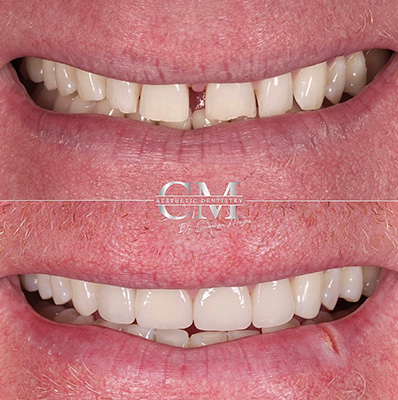
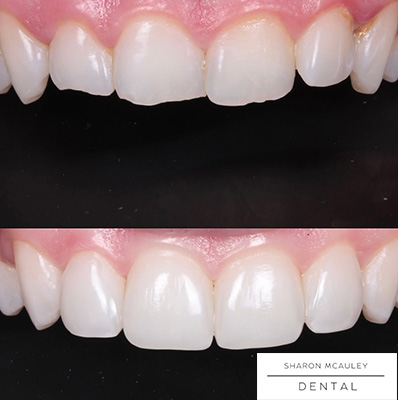
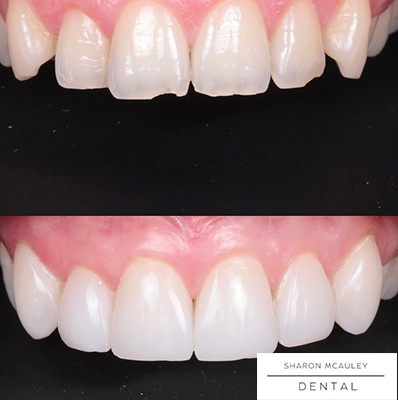
Composite Bonding
This is how the treatment works:
- Your dentist picks a shade of resin that matches the natural colour of your teeth.
- The resin is carefully applied to your teeth, with no need for any work or damage to them.
- Your dentist then carefully shapes and smooths the resin to hide any imperfections, for a result that looks entirely natural.
- Once the resin has been shaped, it is hardened very quickly with the help of a special light.
Our dentists Sharon McCauley and Cameron Magee have a special interest in composite bonding with an extensive portfolio of cases. Book in for a consultation if this is a treatment you have been thinking about.
Life Benefits
- A natural, healthy smile that you are proud to show off.
- No preparation of your teeth is required, meaning they remain strong.
- Pain free treatment
Before
After
Before
After
Before
After
FAQs
What does composite bonding do?
Composite bonding is a dental procedure that can help to improve the appearance of your teeth. This treatment uses a composite resin material that is bonded to the teeth to restore or enhance their shape, size, and colour.
One of the primary benefits of composite bonding is its ability to repair damaged or chipped teeth. It can also help to fill gaps between teeth and improve their alignment.
Composite bonding is an affordable and quick alternative to porcelain veneers or crowns. It is a non-invasive procedure that can be completed in a single visit to a cosmetic dentist.
During the treatment, the dentist will use a composite material to sculpt the desired shape of the tooth or teeth. The bonding material will then be applied to the teeth and hardened with a special curing light. Once the bonding material has cured, the dentist will refine the finish and polish the teeth to achieve a natural-looking, attractive result.
Composite bonding can be used to improve the appearance of discoloured teeth, creating a whiter smile. The bonding material can also be colour-matched to natural teeth, ensuring seamless integration with your existing smile.
With proper care and maintenance, composite bonding can provide a long-term, permanent solution for cosmetic issues such as chips, gaps, and discolouration. It is important to maintain good oral hygiene practices and avoid habits such as smoking or excessive alcohol consumption to ensure the longevity of your composite bonding treatment.
Consult an expert cosmetic dentist to learn more about composite bonding and its suitability for your dental needs. With the help of a friendly team of experts, you can achieve a brighter, healthier smile in no time.
Does composite bonding hurt?
If you’re considering composite bonding as a solution for your cosmetic dental issues, one of the primary questions you may have is whether or not the process is painful. The good news is that composite bonding is a relatively pain-free dental procedure that can provide impressive results.
During the composite bonding process, your dentist will first numb the areas of your mouth that will be worked on. This is typically done using a local anaesthetic, which will prevent you from feeling any pain or discomfort during the procedure.
Once the numbing has taken effect, your dentist will begin the bonding process. They will use a composite resin material to sculpt and shape the bonding material onto your teeth, filling in gaps or repairing chips or other cosmetic issues.
While the bonding process itself is not typically painful, it’s worth noting that you may experience some sensitivity or discomfort after the procedure. This is due to the fact that the composite resin material can slightly alter the shape of your teeth, which can cause some initial discomfort.
However, this discomfort is usually temporary and can be managed with over-the-counter pain relief medication, such as ibuprofen. Additionally, your dentist may recommend using a sensitive toothpaste or avoiding hot or cold foods and drinks for a short period after the bonding process.
Overall, composite bonding is a minimally invasive, pain-free dental procedure that can provide impressive results. If you’re still concerned about any potential discomfort, it’s always a good idea to discuss your concerns with your dentist before the procedure so that they can address any potential issues and help you feel more comfortable throughout the process.
Who is composite bonding recommended for?
Composite bonding has become an increasingly popular dental procedure for a wide range of individuals who are looking to address cosmetic issues with their teeth. This treatment is recommended for individuals who are looking for a simple and affordable option to improve the appearance of their smile without undergoing invasive procedures or breaking the bank.
Composite bonding is best suited for those who have minor cosmetic issues, such as chipped or broken teeth, small gaps, or discoloured teeth. It is a fantastic alternative to traditional cosmetic dentistry treatments that may require more time and resources, such as dental crowns or bridges.
If you are looking to restore your teeth to their original appearance, composite bonding may be the perfect choice for you. It is always best to discuss your options with an experienced and qualified cosmetic dentist, who can help you determine if this procedure is right for your unique needs and goals.
White Fillings
Here is how white fillings work:
- This is a safe procedure that entails the removal of any decay from your tooth, and taking out the metal or amalgam fillings if you are having them replaced.
- The new filling will be placed into the cavity, it must be kept very dry as it is being placed. is made from a very hard tooth-coloured substance and will withstand the forces in your mouth when you bite and chew over a long period of time.
- The restoration is completed in one visit and your fillings will not be visible when you smile.
Life Benefits
- Natural-looking restoration.
- Improved cosmetic appearance of filled teeth while still being able to bite and chew as usual.
- Hard-wearing restorative solution.
"I went for a filling today and I'm delighted with the treatment I received. I feel really lucky Magee are my dentists now. What I dreaded turned out to be a lovely experience and I know I won't be anxious again."
Mary Boyle FAQs
What are white fillings?
White fillings, also known as composite fillings, are a popular alternative to traditional silver-coloured fillings. Instead of a mixture of metals, white fillings are made of a tooth-coloured plastic coating that is chemically bonded to the natural tooth structure.
These fillings are designed to blend seamlessly with the natural tooth colour, making them a popular choice among patients who want to maintain the aesthetic appeal of their smile. The composite material used for white fillings is made up of a durable resin polymer material layered with hybrid glass ceramics and silicon dioxide. This creates a durable, strong filling that can withstand the normal wear and tear on teeth.
White fillings offer many benefits, including the ability to protect the natural tooth structure from further damage. They can also help to restore the tooth to its natural shape, allowing patients to retain their natural tooth structure and prevent the need for more invasive dental procedures.
While white fillings are a great option for many patients, it’s important to note that they may not be suitable for everyone. Patients with large cavities or damage to the tooth structure may require a different type of filling material. Likewise, individuals with a history of tooth decay or oral health issues may need to take additional steps to maintain their oral health after receiving white fillings.
Overall, white fillings are a safe and effective option for restoring damaged or decayed teeth. With the proper care and regular trips to an experienced and professional dentist, patients can enjoy the cosmetic and health benefits of this innovative dental filling technology.
Why should I consider white fillings?
When it comes to dental fillings, the traditional silver amalgam fillings have been the go-to option for many years. However, with advancements in dental technology and a growing concern for aesthetic appeal, white fillings have become a popular alternative. But why should you consider white fillings?
One of the biggest advantages of white fillings is their ability to blend in with the natural colour of your teeth. Unlike silver fillings that stand out against your pearly whites, white fillings are tooth-coloured and virtually invisible. This means that you can maintain the natural look of your smile, even after having dental work done.
Aside from their aesthetic appeal, white fillings also offer many practical benefits. For one, they are designed to bond chemically with your tooth, making them secure and durable. This means that they won’t shift or break like traditional silver fillings. Additionally, white fillings require less drilling into the tooth, preserving more of your natural tooth structure.
If you’re interested in exploring your options further, be sure to speak with an experienced dentist who can recommend the best option for your unique dental needs.
What are the advantages of white fillings?
First and foremost, the most apparent advantage of white fillings is their ability to blend in with the natural colour of your teeth. Unlike silver fillings that stand out against your pearly whites, white fillings are tooth-coloured and virtually invisible. This means that you can maintain the natural look of your smile, even after having dental work done. The aesthetic appeal of white fillings is a significant reason why they are particularly popular among those who prioritise the appearance of their teeth.
Speaking of preserving your tooth structure, white fillings also offer greater protection against further damage. With silver fillings, the metal can expand and contract with temperature changes, which can weaken the tooth and increase the likelihood of fractures. White fillings, on the other hand, do not expand or contract, making them a safer choice for your dental health. White fillings are less likely to cause oral health problems like tooth decay and post-operative sensitivity.
In conclusion, the advantages of white fillings are significant and vary from aesthetic benefits to oral health advantages. They are more natural-looking, safer for your teeth, and provide a more durable solution than traditional silver fillings. Nowadays, more and more dental patients are choosing white fillings over silver fillings due to their numerous benefits. By having a professional dentist install white fillings, you can achieve a beautiful, healthy smile that will last for years to come.
Porcelain Veneers
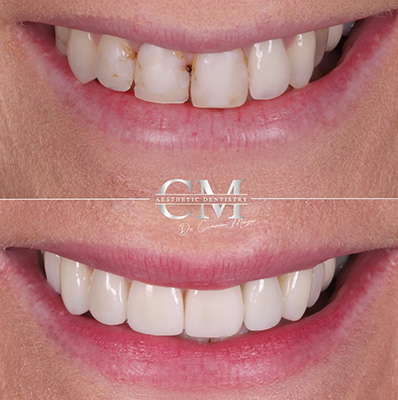
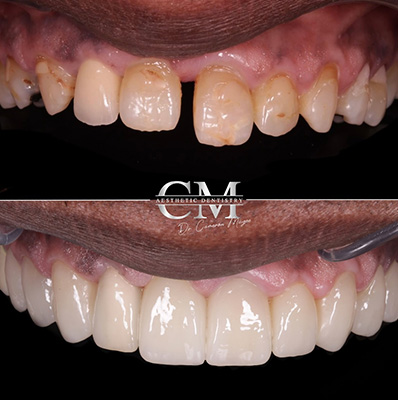
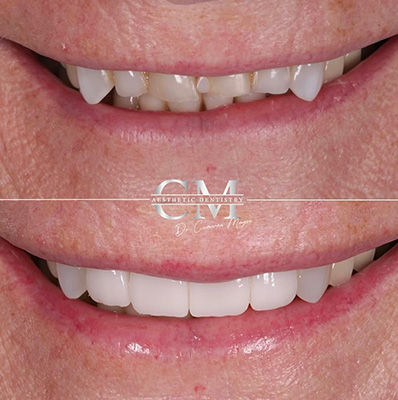
Veneers are an effective cosmetic solution for enhancing the colour, shape, size, or alignment of teeth, and can help create a brighter, more even smile.
At Magee Dental Care we pride ourselves on taking a personalised approach to veneer treatment. We take time to understand your goals, explain each step of the process, and ensure your comfort throughout. Using high-quality materials and careful planning, we aim to deliver natural-looking results while making your experience relaxed, reassuring, and enjoyable.
Here is how they work:
- A veneer is a very thin, tooth-coloured piece of porcelain (like a false finger nail, but more durable) that is bonded on top of your own natural tooth.
- A single veneer may be suitable to disguise a misshapen or discoloured tooth. A full set of veneers may be chosen if a full smile makeover is the desired outcome.
- Based on your needs, the shape and size of the veneers can be adjusted to make your teeth overall look longer and or closer together.
Dr Cameron Magee has an extensive and impressive portfolio of porcelain veneer cases and would be delighted to welcome you for a consultation.
Life Benefits
- Simple and quick solution to improve the cosmetic appearance of teeth.
- Long-lasting smile enhancement
- Natural-looking restoration.
Before
After
Before
After
Before
After
FAQs
What are porcelain veneers?
Porcelain veneers are a popular cosmetic dentistry treatment that can dramatically improve the appearance of your smile. They are thin, custom-made shells that are bonded to the front of your teeth. They are designed to improve the appearance of your teeth by covering imperfections such as chips, stains, and gaps.
What are the benefits of porcelain veneers?
Porcelain veneers have many benefits, including:
- Improved appearance of teeth
- Durability and strength
- Stain resistance
- Minimal tooth reduction
- Long-lasting results
How long do porcelain veneers last?
Porcelain veneers can last up to 10-15 years with proper care, such as regular brushing, flossing, and dental checkups. However, they may need to be replaced sooner if they are damaged or become loose.
Are porcelain veneers painful?
No, the process of getting porcelain veneers is typically not painful. However, some patients may experience sensitivity during the preparation phase when a small amount of enamel is removed from the tooth.
How long does it take to get porcelain veneers?
The process of getting porcelain veneers typically takes two to three appointments. The first appointment involves a consultation and preparation, while the second appointment involves the placement of the veneers.
What is the maintenance required for porcelain veneers?
Porcelain veneers require regular brushing, flossing, and dental check-ups to maintain their appearance and longevity. It is also important to avoid biting hard objects or using teeth as tools, as this can damage the veneers.
Can porcelain veneers be removed?
Yes, porcelain veneers can be removed, but the process can be complex and may result in damage to the underlying tooth. It is important to discuss the potential risks and benefits of veneer removal with your dentist before making any decisions.
Who is a good candidate for porcelain veneers?
Good candidates for porcelain veneers are those with healthy teeth and gums who have cosmetic concerns such as chips, stains, or gaps in their teeth. It is important to have a consultation with our dentist to determine if porcelain veneers are the right option for you.
How are veneers fitted?
The first step of fitting veneers is to prepare the tooth or teeth for them. The dentist will remove a tiny bit of enamel from the surface of the tooth and then make an impression, which will be sent off to a laboratory. At the laboratory, the veneer is crafted according to the dentist’s instructions and records. The porcelain material is strong yet thin, making it an ideal fit for teeth veneers.
After the lab creates your custom-made veneers, you’ll go back in for a second appointment so that they can be fitted onto your teeth. Once they are placed on your teeth, they may need some slight trimming or shaping to ensure they fit comfortably and look natural within your mouth. Lastly, to completely secure them in place, the dentist will bond or cement them with a special adhesive onto your natural teeth. After these treatments have been completed, you’ll be free to enjoy the benefits of veneers!
Orthodontics
Here is an overview of Orthodontics:
- Patients who have problems with their bite or the way their teeth are aligned are good candidates for orthodontic treatment.
- Sometimes prior to cosmetic dental treatmet, we may recommend orthodontics to get your teeth into a better position to treat. This can make your restorations look better, and importantly last longer.
- There are two types of orthodontic system we can use to help straighten your teeth, a fixed option or a removal option.
- Fixed Option: Eg 6 Month Smile: Brackets are bonded to individual teeth and wires clip onto them that gently guide the teeth into position over time.
- Removable option: Eg Invisalign. Clear aligners are worn all of the time except for eating and drinking. They apply pressure to the teeth to gently move them.
- Retainers will be provided to help keep your teeth in their new position.
Good oral hygiene habits are essential during treatment and regular visits are required for maintenance and adjustments.
Life Benefits
- Straighter teeth are healthier teeth, as there are no gaps for plaque to build up in over time.
- Having an attractive smile will have a positive effect on your confidence.
- Orthodontics is a long-term investment in your oral health.
- Thanks to fixed permanent retention you can be assured that your teeth won't move after treatment is completed.
FAQs
What is orthodontics?
Orthodontics is a branch of dentistry that focuses on the diagnosis, prevention, and correction of dental and facial irregularities. Orthodontic treatment involves the use of braces, wires, and other appliances to straighten teeth, correct bite problems, and improve dental and facial aesthetics.
Are braces painful?
Braces can be uncomfortable, but they shouldn’t be painful. Most people experience some soreness or discomfort for a few days after the braces are first placed and after each adjustment appointment. Over-the-counter pain medications, such as ibuprofen, can help alleviate any discomfort.
How long does orthodontic treatment take?
The length of orthodontic treatment varies depending on the severity of the dental and orthodontic issues being addressed. The average treatment time for traditional metal braces is two to three years, but some cases may take longer or shorter.
What types of braces are available?
There are several different types of braces available, including traditional metal braces, ceramic braces, lingual braces, and clear aligners. Traditional metal braces are the most common and most affordable option. Ceramic braces are similar to metal braces, but the brackets are made of tooth-coloured material, making them less noticeable. Lingual braces are placed on the back of the teeth, making them virtually invisible. Clear aligners, such as Invisalign, are a series of clear plastic trays that gradually move the teeth into position.
How often will I need to see the orthodontist during treatment?
During active orthodontic treatment, you will typically need to see the orthodontist every four to six weeks for adjustments. These appointments are important to ensure that the braces are working properly and to make any necessary adjustments to the treatment plan.
Will I need to wear a retainer after treatment is complete?
Yes, wearing a retainer is an important part of maintaining the results of orthodontic treatment. After the braces are removed, the teeth will naturally want to shift back to their original positions. A retainer is used to hold the teeth in their new position until they become more stable. The orthodontist will provide instructions on how often to wear the retainer and for how long.
Will orthodontic treatment affect my daily activities?
Orthodontic treatment may require some adjustments to your daily activities, particularly in the first few days after the braces are placed. You may need to avoid certain foods that are hard or sticky, and you may need to spend a little extra time caring for your teeth and braces. However, most people are able to continue their normal activities, such as playing sports and musical instruments, during orthodontic treatment.
Will orthodontic treatment affect my speech?
It is common to experience some changes in speech during the first few days after braces are placed or adjusted. You may notice a slight lisp or difficulty pronouncing certain sounds. However, most people adjust to the braces quickly and speech returns to normal within a few days.
How much does orthodontic treatment cost?
The cost of orthodontic treatment varies depending on the type of braces used and the length of treatment. Traditional metal braces are typically the most affordable option, while clear aligners are usually the most expensive. Many orthodontic offices offer payment plans and financing options to make treatment more affordable.
Teeth Whitening
Types Of Teeth Whitening
- Philips Zoom
- Boutique
- Enlighten
Life Benefits
- Effective solution for certain types of tooth discolouration and staining.
- Safe treatment when delivered by a dental professional.
- Cosmetically enhances the appearance of teeth.
"Good dentist with great teeth whitening products!"
Craig Rodgers FAQs
What causes teeth to become discoloured?
There are several factors that can cause teeth to become discoloured, including ageing, consumption of certain foods and drinks (such as coffee, tea, and red wine), smoking, and poor oral hygiene. While these are the most common factors, there are many lesser-known causes of tooth discolouration. For example, certain medications may cause the teeth to become darker in colour. Antihistamines, antipsychotics, and high blood pressure medications may all lead to tooth discolouration due to chemicals that become deposited within the enamel of the teeth over time. Beyond these medications, cancer treatments such as radiation therapy may also contribute to changes in tooth colouration.
How does teeth whitening work?
Professional bleaching involves the use of special whitening products that contain higher concentrations of hydrogen peroxide or carbamide peroxide. The dentist will apply these products to your teeth and activate them with a special light or laser for maximum whitening effect. This method can produce dramatic results in a single visit, but you may require multiple visits to achieve your desired level of whitening.
Is teeth whitening safe?
Yes, teeth whitening is a safe procedure when done under the supervision of a dental professional. However, if you choose to use at-home whitening kits, it is important to follow the instructions carefully to avoid damaging your teeth or gums.
How long does teeth whitening last?
The results of teeth whitening can vary depending on the individual and the type of treatment used. Generally, the effect of teeth whitening lasts between 6 months to 2 years.
Can everyone undergo teeth whitening?
Teeth whitening is generally safe for most people, but it is not recommended for pregnant or breastfeeding women, individuals with sensitive teeth or gums, or those with severe tooth decay or gum disease.
Are there any side effects of teeth whitening?
Some people may experience temporary side effects such as tooth sensitivity or gum irritation after undergoing teeth whitening. However, these side effects usually subside within a few days.
Can I whiten my teeth naturally?
While there are several natural remedies that claim to whiten teeth, such as baking soda or apple cider vinegar, there is no scientific evidence to support their effectiveness. It is always best to consult with a dental professional before trying any home remedies.
How can I maintain my teeth whitening results?
To maintain your teeth whitening results, it is important to practice good oral hygiene, avoid consuming staining foods and drinks, and visit your dentist for regular check-ups and cleanings.
Can I do teeth whitening from home?
Yes, you can. At-home teeth whitening is a convenient and cost-effective way to get rid of stains, yellowing and discolouration, as well as to give your smile a brighter look. Though the results may take longer than professional treatments such as in-office bleaching, the effects are still noticeable. The process starts with a consultation where your dentist will assess your oral situation and discuss possible solutions for you. To ensure maximum safety, they will then suggest which products would be suitable for your case.